Where the Sidewalks End
The Walkability Gap Just Beyond Elon
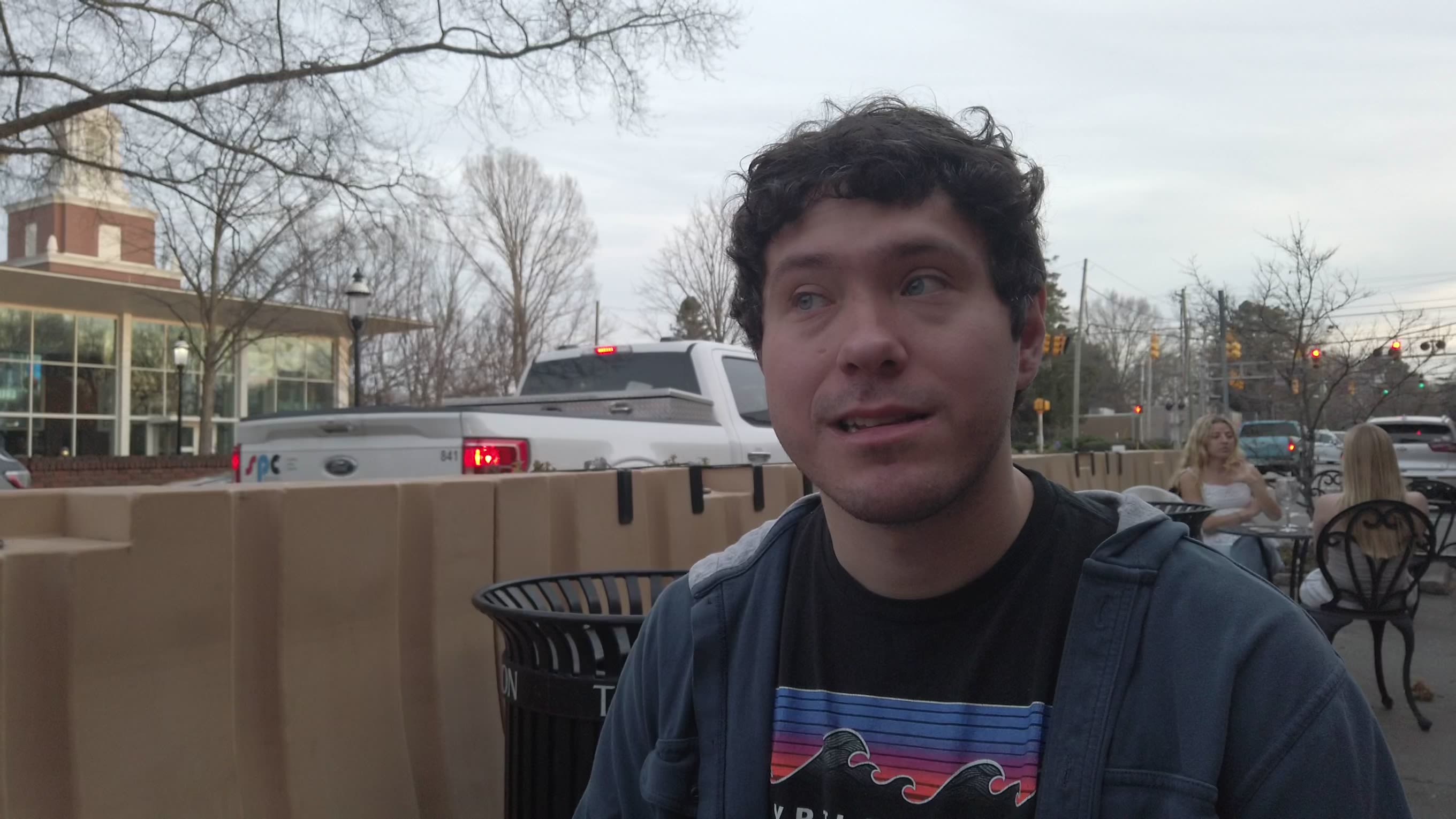
On Tuesday afternoons, rain or shine, Elon senior Evan Sider laces up his running shoes and heads off campus to run three miles. The run isn’t his workout; it’s just how he gets to it. His route to a mixed martial arts gym winds past Circle K and into Gibsonville, where the sidewalks suddenly disappear and cars speed past.
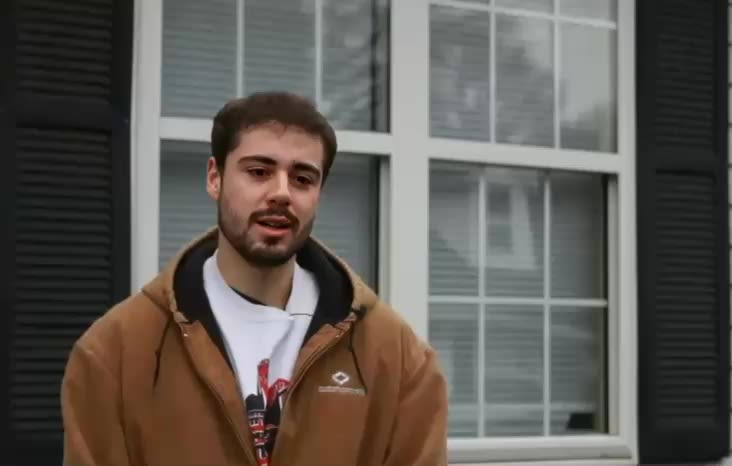
Evan Sider, Elon Senior
“There's no sidewalks or anything once you go past Elon, and it's really sketchy sometimes because you're running right next to them,” Sider said. "Especially when it was snowing, and the snow caused me to run in the road and the cars would come by me, and they'd be like two feet away from me."
For many students and Burlington residents, getting from one place to another on foot isn't just inconvenient. It can be dangerous. In 2022, 7,522 pedestrians were killed in traffic crashes in the United States, the highest number in more than 40 years.
Across the United States, pedestrian deaths have reached the highest level in decades. Burlington is no exception. Several intersections throughout the city have seen repeated pedestrian crashes, particularly in areas where sidewalks disappear or roads widen for faster traffic. Students at Elon University who don’t bring cars to campus often face a difficult choice: rely on rides from friends, wait for limited transit routes, or walk along roads never designed for pedestrians.
For students and residents without cars, even basic errands can mean walking miles along busy roads. To understand the challenge, the route from Elon University to the nearest grocery store was recorded on foot.
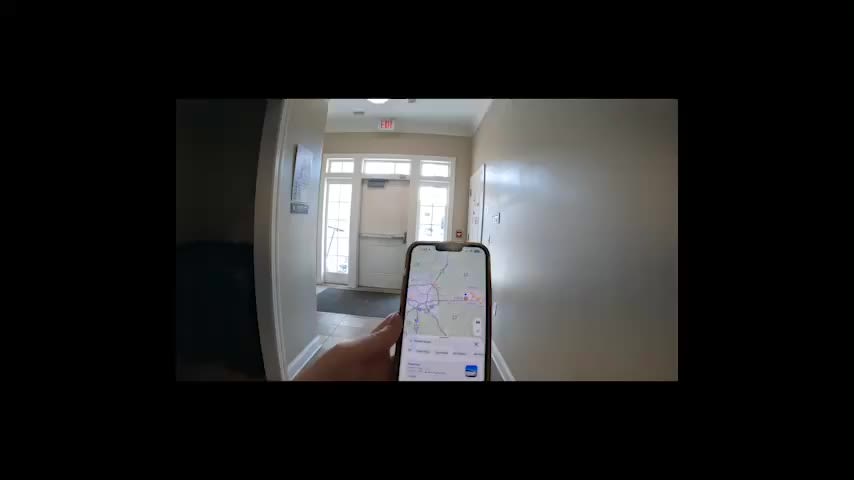
Several intersections in Burlington consistently rank among the most dangerous for pedestrians. The intersections with the highest crash totals included University Drive and Boone Station Drive, U.S. 70 and Graham-Hopedale Road, and Garden Road and Huffman Mill Road.
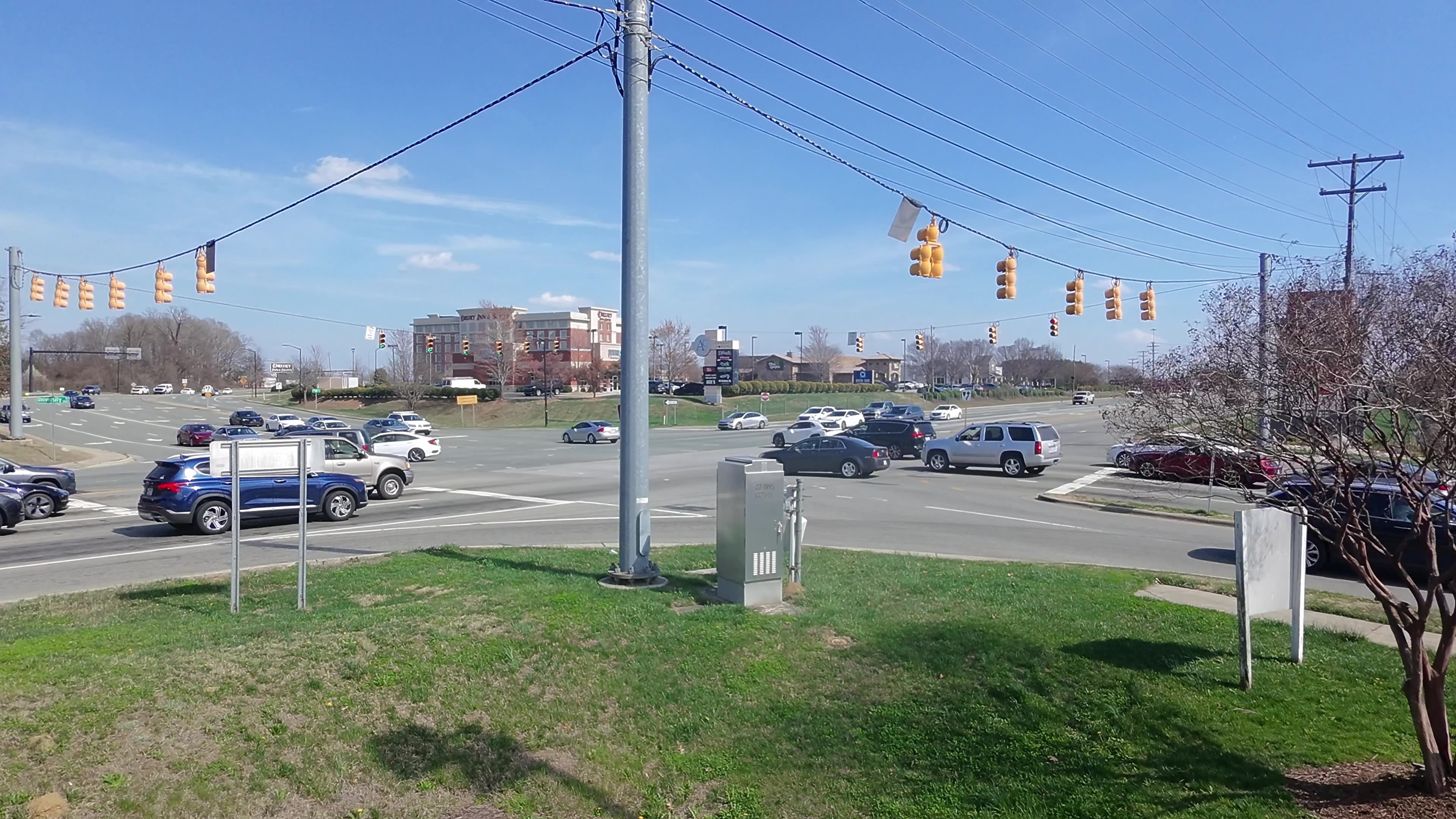
University Dr. & Boone Station Dr. is the highest-crash intersection in Burlington, according to crash data. The intersection has no marked crosswalks or pedestrian signals.
Dangerous conditions like these are not limited to one location. In February, a pedestrian was killed in downtown Burlington on Webb Avenue. These streets connect some of Burlington's busiest intersections. Police say 52-year-old Ryan Lee Griswold was walking in the roadway when he was struck by a vehicle, a reminder of the risks pedestrians face in areas where sidewalks and safe crossings are limited.
Multi-lane roads make crossing the street much harder, and traffic becomes much less approachable for pedestrians.
Additionally, while these roads indicate where pedestrians can walk via crosswalks, they often don't have pedestrian light indicators to help pedestrian traffic flow.
At intersections like these, wide roads and fast-moving traffic create confusion for both drivers and pedestrians, making them some of the most dangerous places to cross on foot.
Data from the North Carolina Department of Transportation shows that many of Burlington’s pedestrian and bicycle crashes occur along the same roads residents must use to reach basic necessities. The map includes crash locations recorded between 2007 and 2022, along with common walking routes to grocery stores, restaurants, hospitals, and the path Sider takes to his MMA gym.
Craig Honeycutt, former City Manager of Burlington and current professor at Elon University, reflected on the challenges that the city has had in making changes to these intersections.
“Most of the funding we get from the state is for roads, not sidewalks." Honeycutt said, "You can get some state funding, but very rarely for pedestrians. Most funding comes through a recreation grant.”
While Burlington has taken steps to make walking safer, many of the roads and intersections were built long before pedestrian access was a priority, leaving current leaders with limited funding and costly infrastructure challenges to overcome.
City Manager Craig Honeycutt at his retirement reception after serving multiple communities across North Carolina, including Burlington. Photo courtesy of Craig Honeycutt.
Public transit is one option for mitigating the effects of suburban sprawl. Burlington's Link Transit bus system serves several routes through the city and near Elon’s campus.
John Andoh, Link Transit Manager, said the system has expanded access across Alamance County, especially for residents without cars.
Link Transit Manager John Andoh (right) at the North Carolina Public Transportation Association (NCPTA), a statewide organization representing public transit agencies across North Carolina. Photo courtesy of John Andoh.
Link Transit Manager John Andoh (right) at the North Carolina Public Transportation Association (NCPTA), a statewide organization representing public transit agencies across North Carolina. Photo courtesy of John Andoh.
“Our transit system, nine years later, has made a difference in moving people throughout the urban areas of Alamance County," Andoh said. "We connect people to jobs, education, opportunities, shopping, recreation and other quality of life opportunities."
Since its launch, Link Transit has carried more than 935,000 total rides across Alamance County.
However, routes don’t always align with students’ and residents’ needs. At times, even when public transportation is available, access can still be limited.
Closed Link Transit station on Webb Avenue in Burlington on March 11, 2026. Photo by Erin Hroncich.
Freshman Emmary Clarke, a cheerleader at Elon University, said transportation between Elon and Burlington can still be difficult for students without cars, despite services like the Elon Express and Burlington Link Transit.
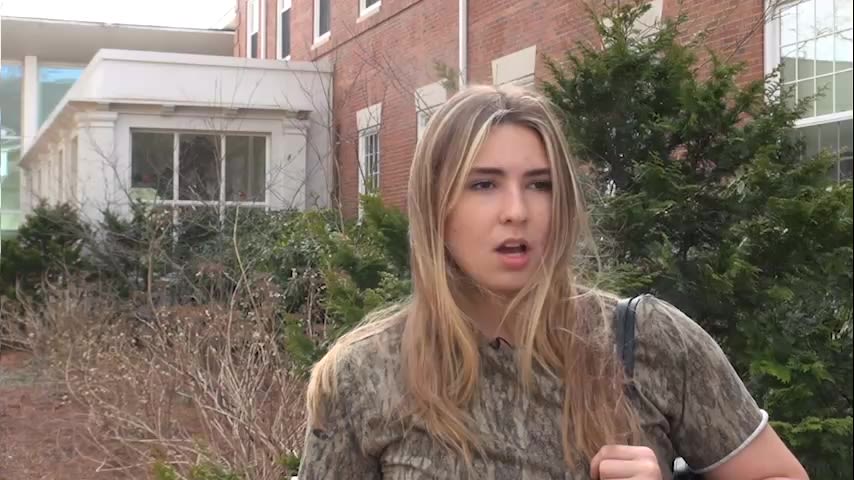
Clarke said she often ends up asking friends for rides when she needs basic essentials off campus. As a cheerleader, she frequently has to travel for practices, events, and team obligations, which makes reliable transportation especially important. While she has tried using the Elon Express, Clarke said the routes and timing can be difficult to navigate, making it hard to get where she needs to be at the right time.
For Burlington resident Gregory Palomino, transportation challenges affected his ability to work. Palomino, who relies on Link Transit, said he had to leave two jobs at Andy’s Frozen Custard and Popeyes in Burlington because he could not consistently get there. Palomino said he tried walking to his jobs, but heavy traffic and a lack of safe pedestrian infrastructure made the trip difficult.
For residents who rely on walking or public transit, the risks of navigating busy roads are part of everyday life. While progress takes time, each new project moves the city closer to a future where getting to work, buying groceries, or running to an MMA gym could one day follow safe sidewalks and greenways instead of the edge of the road.
 Built with Shorthand