
'We definitely don't want anybody to feel hungry'
ABSS schools navigate free meals and rising lunch debt
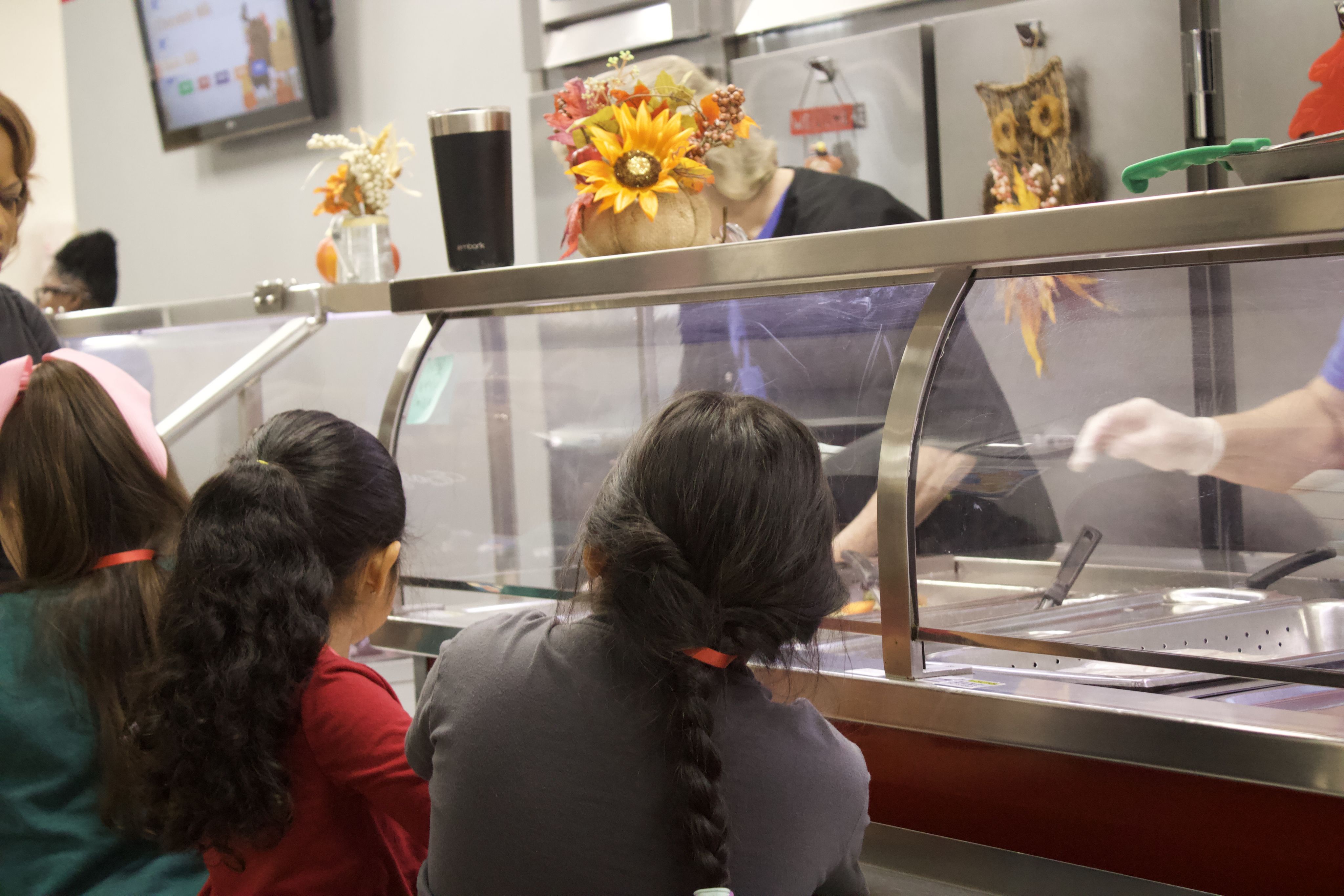

At 10:32 a.m., trays clatter at Harvey R. Newlin Elementary School as cafeteria workers rush to prepare the first wave of students for lunch. At this school, most students eat for free — no forms, no payment and no questions. For many, this may be the most reliable meal they get all day.
The Alamance-Burlington School System has 28 Community Eligibility Provision schools, like Harvey R. Newlin Elementary School. CEP is a program that allows low-income area schools to offer free breakfast and lunch to all students without requiring applications for free and reduced-price meals. Eight ABSS schools are not part of CEP but still provide breakfast to students for $2 and lunch for $3.10. In those schools, students can rack up lunch debt.
Lori Snow, ABSS nutrition reduced meal specialist, said her job is to process all the lunch applications that come in so that children can eat — and it’s a rewarding experience.
“Doing everything I can to get most children to qualify for free meals,” Snow said.
Spencer Brown, executive director of ABSS Nutrition, said providing meals for students is exactly what he signed up for.
“We definitely don't want anybody to feel hungry, so we'll do everything we can to make sure that students get a meal,” Brown said.
The USDA
ABSS receives funding for the nutrition program in several ways, such as reimbursements, a la carte sales and an annual United States Department of Agriculture grant that covers ingredient costs. The USDA’s child nutrition programs, including the National School Lunch and School Breakfast Programs, provide millions of children with meals that support their health and development.
Students may be eligible for free and reduced-price meals based on multiple factors such as participation in the Supplemental Nutrition Assistance Program, their home status, household income or family size. According to the USDA, children in families below 130% of the federal poverty level are eligible for free meals, and families with income between 130% and 185% of the level are eligible for reduced-price meals.Snow said it is challenging when a family does not qualify for meals, or when they used to qualify and no longer do, and they question the outcome.
“People will say, ‘But my mortgage is this much, or my car payment is this much.’ That’s not part of the equation,” Snow said. “And people don't understand that."
Every school in ABSS receives the same food, and the menus are roughly the same. According to Charlene Pruitt, ABSS meal planner and special diet coordinator, the high school menus may slightly differ because of USDA regulations, such as older students receiving more sodium and fruit on their trays.
“We definitely don't want anybody to feel hungry, so we'll do everything we can to make sure that students get a meal.”
Spencer Brown
Executive Director of ABSS Nutrition



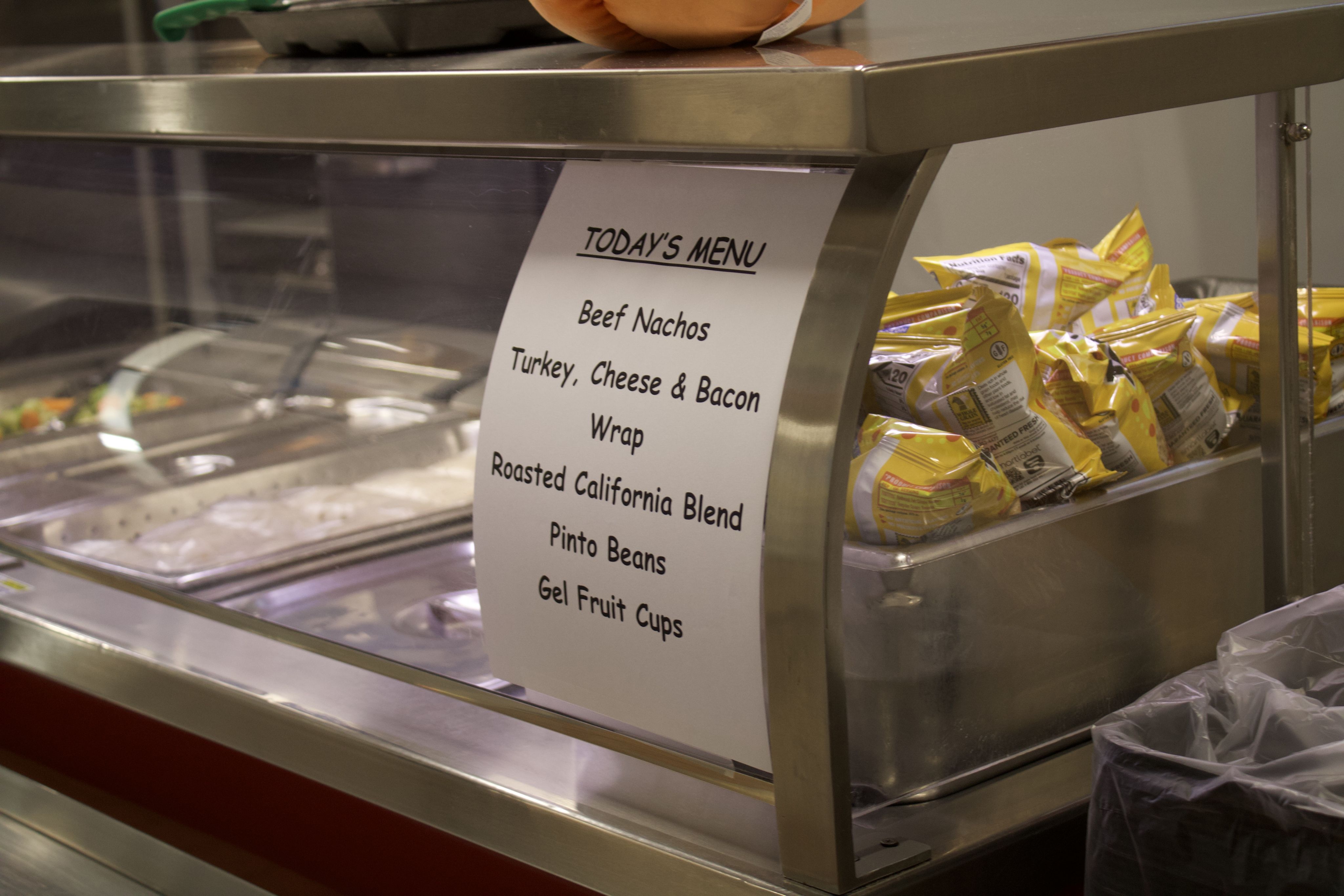
The menu for Harvey R. Newlin Elementary School consists of nachos, wraps, vegetables, beans and fruit cups on Nov. 14. Photo by Anjolina Fantaroni.
The menu for Harvey R. Newlin Elementary School consists of nachos, wraps, vegetables, beans and fruit cups on Nov. 14. Photo by Anjolina Fantaroni.
Pruitt said ABSS is required to follow strict guidelines for special diet and allergy requests under the USDA Food-Safe Schools Action Guide. Allergy planning starts with a doctor’s note and continues with flagging the student's account each time the cashier scans a lunch card.
“They should be looking at that, making sure most of the cashiers know already if a child has an allergy,” Pruitt said. “They already know that student.”
According to the USDA Food and Nutrition Service, the top things to know about school meals include evolving and set standards, increasing USDA support and overall efforts to help feed healthier. Pruitt said she wishes the public understood the intense planning that goes into the nutrition program.


A student at Elon Elementary eats a school lunch, which consists of cheesy bread, a fruit cup, a chocolate milk and marinara sauce on Nov. 3. Photo by Anjolina Fantaroni.
A student at Elon Elementary eats a school lunch, which consists of cheesy bread, a fruit cup, a chocolate milk and marinara sauce on Nov. 3. Photo by Anjolina Fantaroni.
“There are a lot of regulations,” Pruitt said. “We can't just put anything we want on the menu.”
The NSLP is designed for students to have five main components in their lunches, including a protein, a grain, and a vegetable or fruit. ABSS students are not required to grab milk in the line, though it is provided.
Liza Hawkins, cafeteria manager at Harvey Newlin Elementary School, said those regulations matter — even dating back to the Healthy, Hunger-Free Kids Act in 2010, which was a centerpiece of First Lady Michelle Obama's Let's Move initiative.
“Usually, the meat and grain are together in the entrée itself,” Hawkins said. “They have to have an entrée, and then either a vegetable or a fruit has to be on their tray.”
CEP vs. Non-CEP Schools
As a CEP school, most of Harvey R. Newlin Elementary School’s students — 510 out of 513 — qualify for free lunch. No students qualify for a reduced rate.
However, at Western Alamance Middle School, which has a total population of 894 students, only about half qualify for free or reduced-price meals — 465 students.
According to Hawkins, Harvey R. Newlin Elementary sits in a low-income area and the government subsidizes the cost of meals for most students, both breakfast and lunch.
However, she said the hardest part of being a CEP school where so many students qualify for free lunch is avoiding prejudice and protecting anonymity.
“If the need is there, you can still get it, but if the families are able to pay for the school lunch, then they do,” Hawkins said. “But it is difficult because you don't want to make it known to the children that one pays and one doesn't.”

Harvey R. Newlin Elementary School students stand in the lunch line on Nov. 14. Photo by Anjolina Fantaroni.
Harvey R. Newlin Elementary School students stand in the lunch line on Nov. 14. Photo by Anjolina Fantaroni.
Amanda Gantt, school nutrition manager for Western Alamance Middle School, said that since her school isn’t CEP, students have lunch debt that increases rapidly. She said seeing students with a meal debt is frustrating.
“Sometimes they don't get to participate in extracurricular activities like school dances or things like that if they have a school debt over like 30 bucks,” Gantt said.
“Sometimes they don't get to participate in extracurricular activities like school dances or things like that if they have a school debt over like 30 bucks.”
Gantt said debt isn’t fair and shouldn’t fall on the students to pay for their own meals.
“It’s on the parents for not providing for them, and then they get to miss out on fun activities,” Gantt said.
Brown said community members who want to help can contact the district to pay student balances, either by reaching out to schools directly, contacting the School Nutrition Department or contacting the Finance Department to apply money toward lunch debt.
Summer Feeding Programs
It’s not only during the school year that ABSS students are fed by the nutrition staff. In 2023, the district held a Summer Food Service Program serving hot meals — lunches, breakfasts and snacks — to ages 4 to 18 in Alamance County.
For nine weeks, the program offered both daily on-site meals and weekly grab-and-go options for families, with sign-ups required for the weekly pickup option.

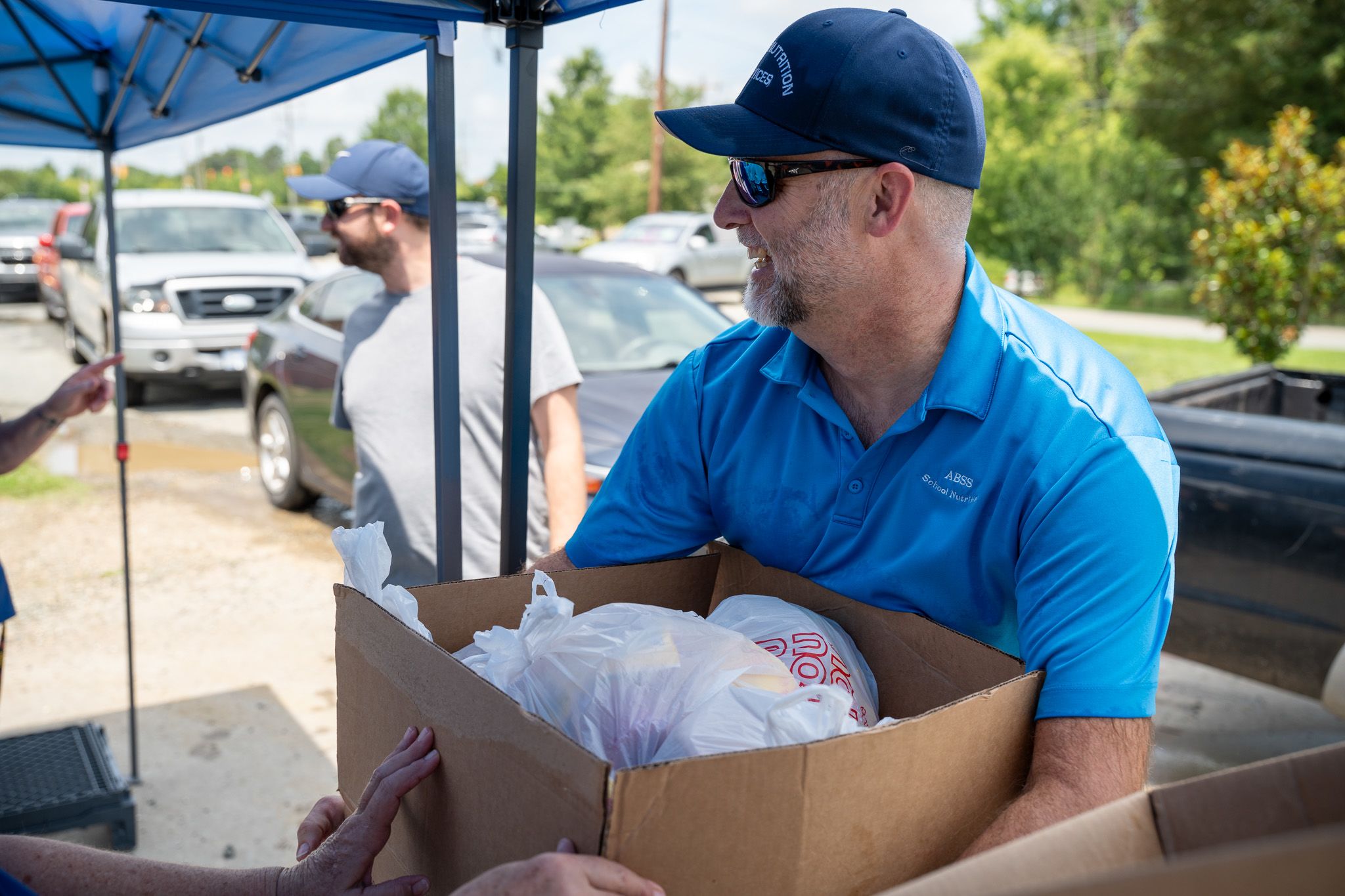
Spencer Brown, executive director of ABSS Nutrition, prepares lunches during the ABSS Summer Food Services Program. Photo by James Schuler.
Spencer Brown, executive director of ABSS Nutrition, prepares lunches during the ABSS Summer Food Services Program. Photo by James Schuler.
This summer, the program produced almost 100,000 meals.
Why It Matters
According to No Kid Hungry, a campaign to end hunger in the United States, childhood hunger harms children’s ability to focus and contributes to behavioral challenges and poor health. The organization states that consistent, nutritious meals are critical, warning that children who start school hungry often fall behind their peers and struggle to catch up.
Gantt agrees. She said she makes sure students receive full, nutritious meals so they have the energy to learn throughout the day.
“Can't concentrate when you're starving or trying to figure out what your next meal is,” Gantt said. “So even if they are in negative balance, we still provide meals for them, and they are still allowed to eat. So that's great.”
Nutrition Resources in Alamance County
Just over 4 miles from the town of Elon is Allied Churches of Alamance County, a nonprofit that provides emergency services to people experiencing homelessness and hunger.
Jai Baker, executive director of ACAC, said the community kitchen inside the organization provides free lunch and dinner Monday through Friday.
“We believe that food is love and love is food, so we're trying to make sure that we're giving a nutritious meal, not necessarily to those who are underserved, but to those who need it.”
“We believe that food is love and love is food, so we're trying to make sure that we're giving a nutritious meal, not necessarily to those who are underserved, but to those who need it,” Baker said. “I think that sometimes we use the word ‘underserved,’ and we don't broaden that.”
Throughout November, the Supplemental Nutrition Assistance Program was limited for those who rely on its benefits amid the longest government shutdown, leaving many families without food funding for the month.
During the November SNAP limitations, Baker said there was an uptick in traffic at the organization, but it was encouraging to see the community — both volunteers and those experiencing food insecurity — come together.
“One of the things we said here is we don't panic,” Baker said.
He said that, ahead of November, the Allied Churches of Alamance County considered the impact of the SNAP limitations and asked themselves whether they could meet the community’s needs. The answer, he said, was a resilient yes.
Allied Churches helps both on-site and through community partnerships, including one with Broadview Middle School, a CEP school. At Broadview Middle, 502 of 505 students qualify for free lunch. Baker said Allied Churches is actively helping the school stock its pantry.
“When kids are leaving on Friday, they can leave with a backpack full of canned goods or fruit items that last them through the weekend,” Baker said. “We just think that that's part of the service that we do.”

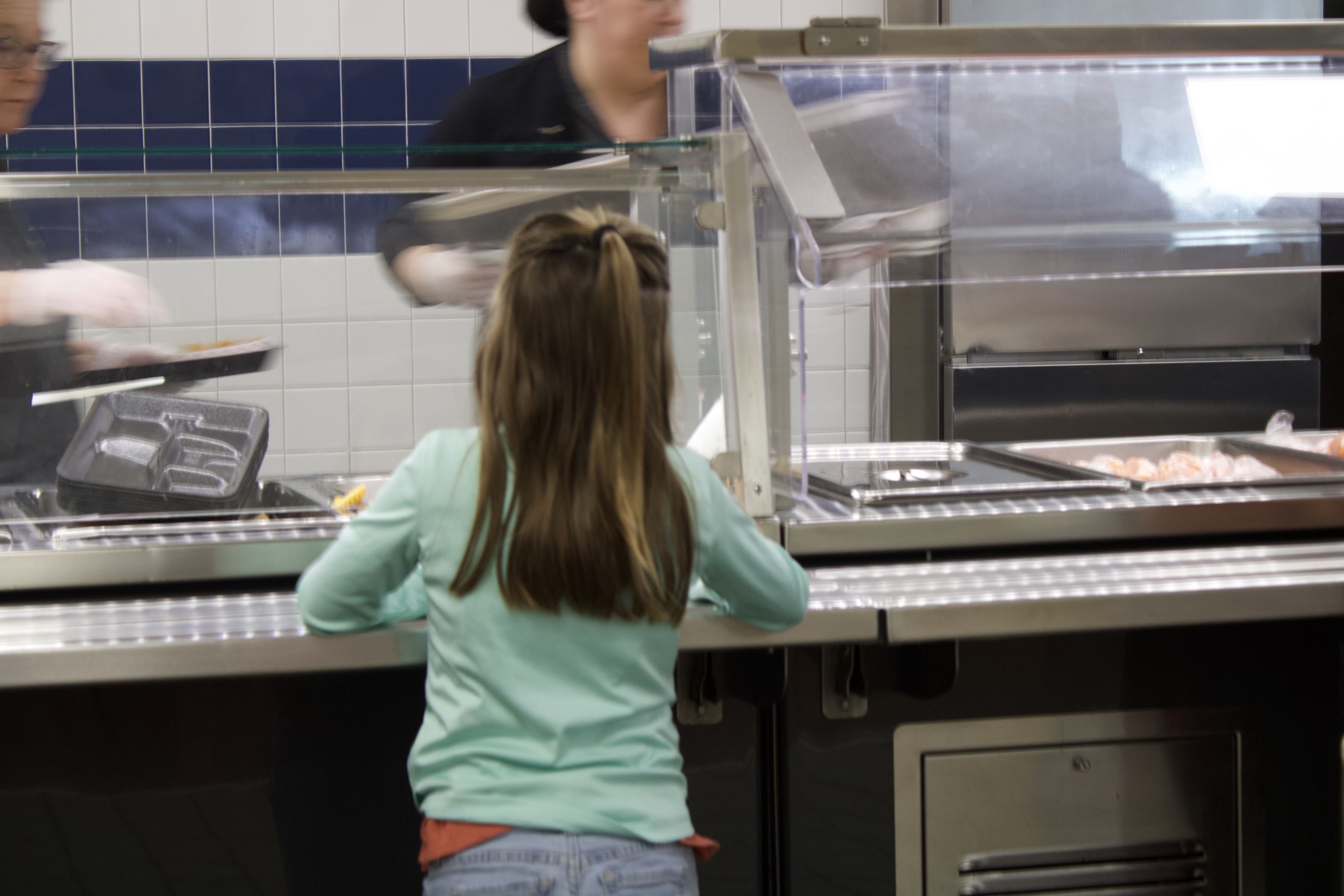
A student waits in the lunch line at Elon Elementary on Nov. 3. Photo by Anjolina Fantaroni
A student waits in the lunch line at Elon Elementary on Nov. 3. Photo by Anjolina Fantaroni
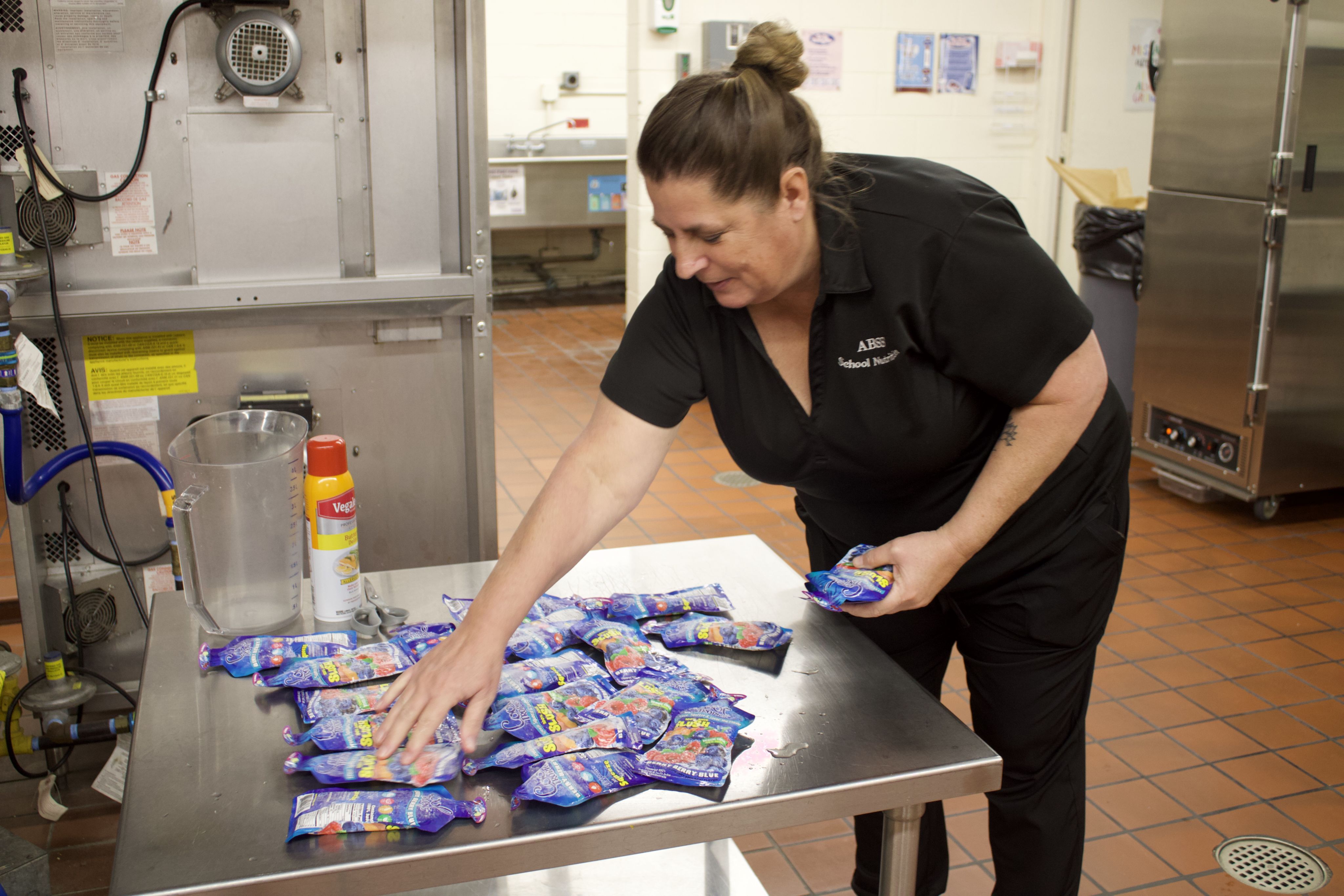
Lisa Hutchins, Supervisor of ABSS Child Nutrition, sorts through and defrosts slushie pouches at Western Alamance Middle School on Nov. 7. Photo by Anjolina Fantaroni
Lisa Hutchins, Supervisor of ABSS Child Nutrition, sorts through and defrosts slushie pouches at Western Alamance Middle School on Nov. 7. Photo by Anjolina Fantaroni
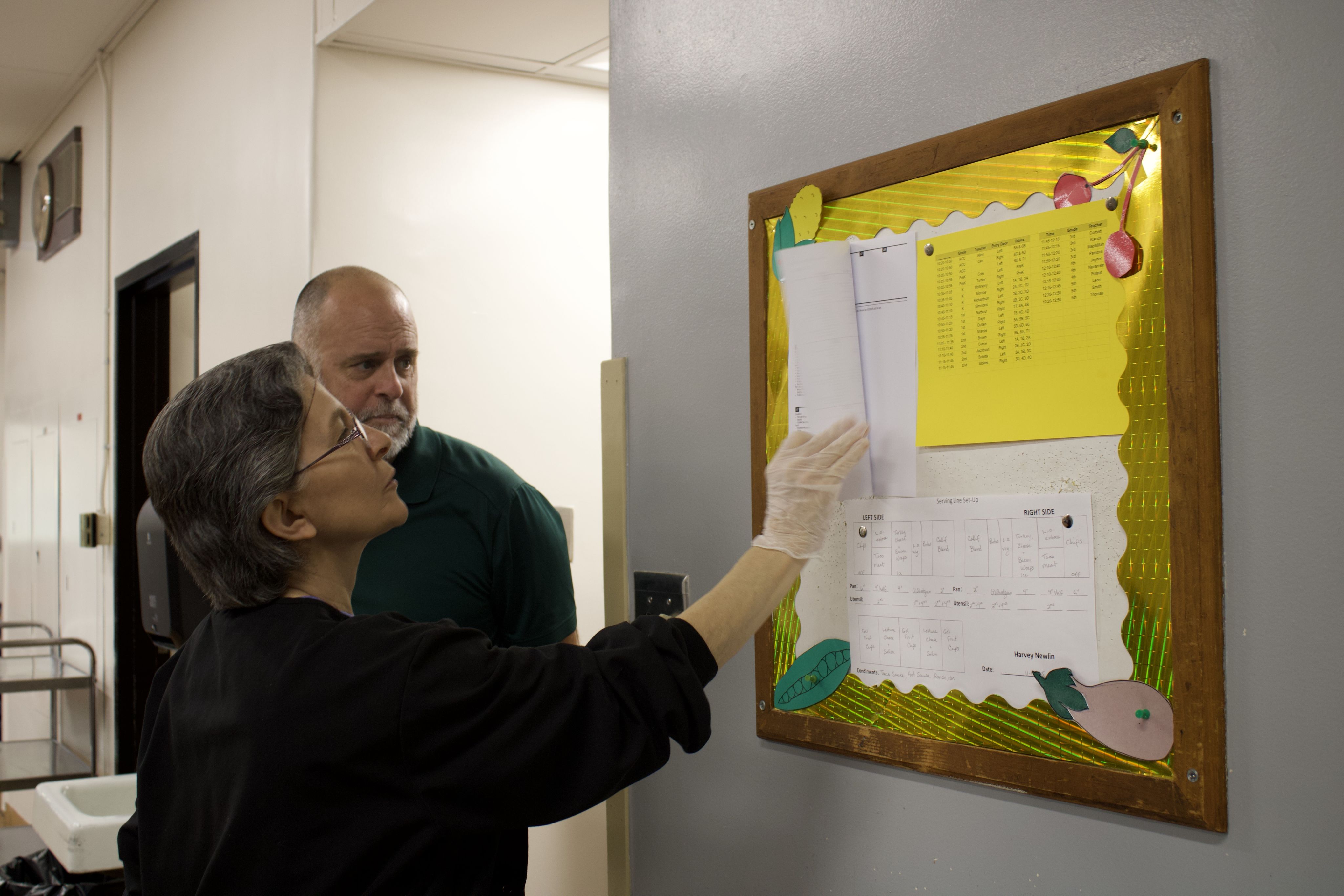
Executive Director of ABSS Nutrition, Spencer Brown, and Cafeteria Manager at Harvey R. Newlin Elementary, Liza Hawkins, discuss kitchen preparation on Nov. 14.
Executive Director of ABSS Nutrition, Spencer Brown, and Cafeteria Manager at Harvey R. Newlin Elementary, Liza Hawkins, discuss kitchen preparation on Nov. 14.
 Built with Shorthand