Teenage Sports Stars turn Multi-Millionaires with Soaring NIL Earnings
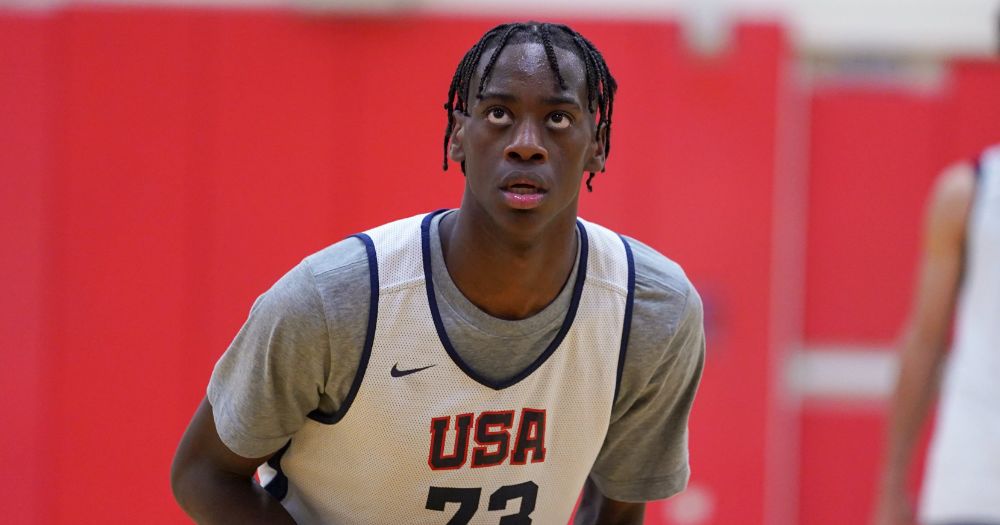


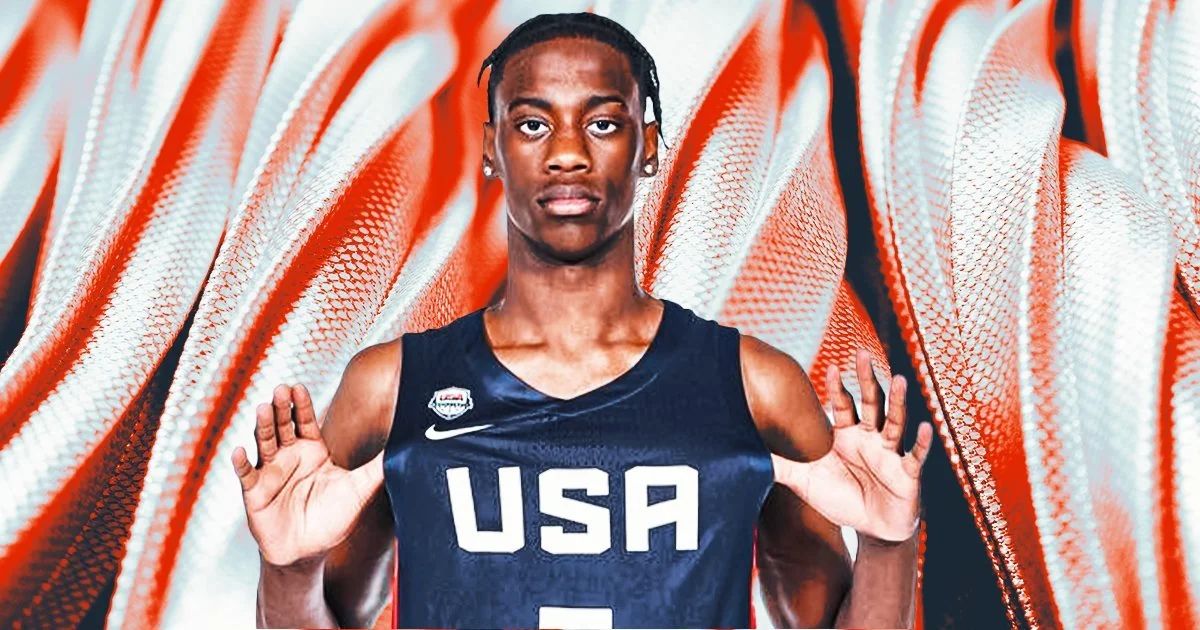
The second AJ Dybantsa steps onto the grounds of his unchosen campus for the summer workouts of his freshman year of college next year, he will be the highest paid enrolled student in America.
Dybantsa, the number one high school basketball player in the country, has been benefiting from Name, Image, and Likeness since his junior year of high school. Most recently, Nike joined his long list of NIL sponsors, with a staggering deal worth over four million dollars.
The 17-year olds pairing with Nike entirely redefines the high school athlete profit scene.The deal is unprecedented for an athlete who has not yet played college basketball, placing Dybantsa in a league of his own compared to typical NIL deals for college players, which average around $750,000.
July 2021 -Name, Image, Likeness Era Begins

From dreams to reality
Multi-million dollar deals achieved as a high schooler would continue to be a delirious pipe dream for AJ Dybantsa and other top prospects, had the NCAA not recently gone through with the long-awaited policy shift. As of July 1st, 2021, high school and collegiate athletes have been able to monetize their talents and notoriety. What was imagined as autograph signings, product endorsements, and social media posts as means for personal benefit has transformed into six-figure negotiations. And with the addition of an agreed settlement between the NCAA and its power conferences in May 2024, institutions are free to directly pay millions of dollars annually to their student-athletes.
“The NCAA and its five power conferences have agreed to allow schools to directly pay players for the first time in the 100-plus-year history of college sports.”
College athletes being paid is nothing new, but a legal, open, and official payroll sets a catalyzing floor to NIL’s soaring future. Collegiate student athletes are employees of the school, and with shining talent brings in shiny revenue for the universities. So, justified is the generational wealth returned to that shining talent.
Morality
Below the surface of NIL looms an immediate question, followed by an ethical one. Is there a limit on the age the amount of money these standout teenage athletes make? And how old must a standout athlete be before they are deemed mature enough to begin negotiations of instant fortunes that will out-earn their entire family?
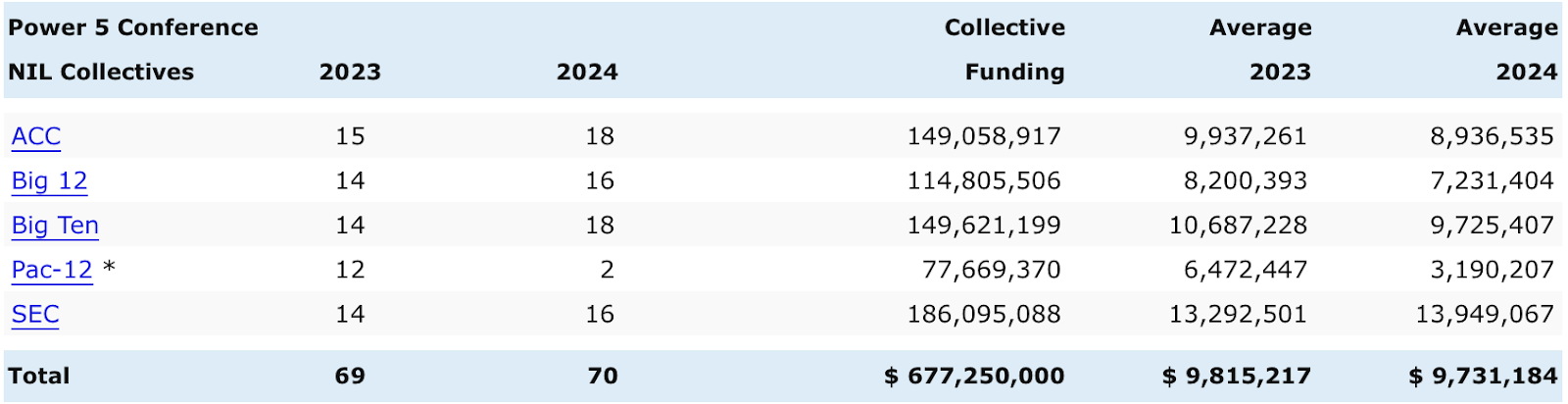
One of the most fascinating aspects to NIL is that when it seems the climax is reached, the boundaries continue to be pushed. Take the insanely lucrative offers top recruits get for example, made possible by wealthy men in support of the institution. Depending on the quality and notoriety of the school, the universities collect funds from anonymous donors. Under the title “Collective Funds”, universities have financial resources pooled together by boosters and supporters to provide compensation to student-athletes for their name, image, and likeness (NIL) rights. These funds are typically organized by collectives associated with specific universities, particularly within the Power 5 conferences. On average, these collectives are expected to generate almost $10 million annually per Power 5 school.









Eight-Figure Investments
Hundreds of millions of dollars a conference, all dedicated to luring in the best players. Meaning that the top student-athlete prospects in America are living lifestyles they could not have dreamed of all before they turn 20.
And for the 98% of college athletes who are not highly gifted with a talent worth millions of dollars, the reality of NIL takes a different shape. Outside of the Power 5 conferences, mid-major Division 1, Division 2, and Division 3 athletes are all able to benefit from their personal brand, or Name, Image, and Likeness.
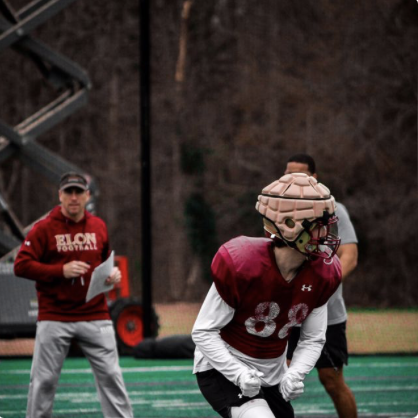
The trickle down effect from those huge institutions is real, shares Elon University sophomore student-athlete Owen Kelley. Kelley, an impressive young student-athlete whose untouched New Hampshire state records gained only local collegiate interest, turned towards a walk-on spot at a Division 1 school. After two years as a member of the Elon University football team, Kelley has earned his stripes with the team and coaching staff. A redshirt freshman year and a sophomore season studying from the sidelines has not yet offered a tangible taste of Division 1 football. And despite not yet recording any stats for the Phoenix, Kelley’s already benefited from Name, Image, and Likeness.





The transformational future ahead
Whether it be in the form of a grinding Division 1 football player, or a 6’9 17-year old with all the energy drinks, shoes, and benjamin franklins he could imagine at his expense, Name, Image, and Likeness’ rapid increase in revenue spreads benefits far and wide. The rapid surge of NIL opportunities has ushered in a transformative era for NCAA student-athletes, empowering them to benefit financially from their talents and personal brands. Beyond elite recruits earning multi-million-dollar deals, NIL has democratized access to compensation, allowing athletes from all levels and sports to find value in their unique stories and local influence.
For many, NIL funds have eased financial burdens, enabling them to focus on academics and athletic pursuits without the strain of financial insecurity. Athletes are also gaining hands-on experience in entrepreneurship, marketing, and personal finance, skills that transcend the playing field and prepare them for success in life beyond sports.
The limit on NIL earnings and collective funds is not clearly visible nor predictable, leaving even more space for expansion and increase. What is clear, however, is that the trend of NIL has always pointed up, and with TV rights and sponsorships investing more money in collegiate athletics than ever, the three words Name, Image, and Likeness will make for some very wealthy near high-school graduates.

 Built with Shorthand