
I'm With the Banned
Looking into the banning of books in Catawba County North Carolina

Tucked away in the foothills of the Blue Ridge Mountains sits the small town of Hickory, North Carolina. Like most small towns, Hickory is full of kind people, rocking chairs on front porches, and gossip. Most of the time, the gossip is harmless and involves some woman at the church and what she wore that Sunday, but this most recent gossip involves something a bit more high stakes- the schools.
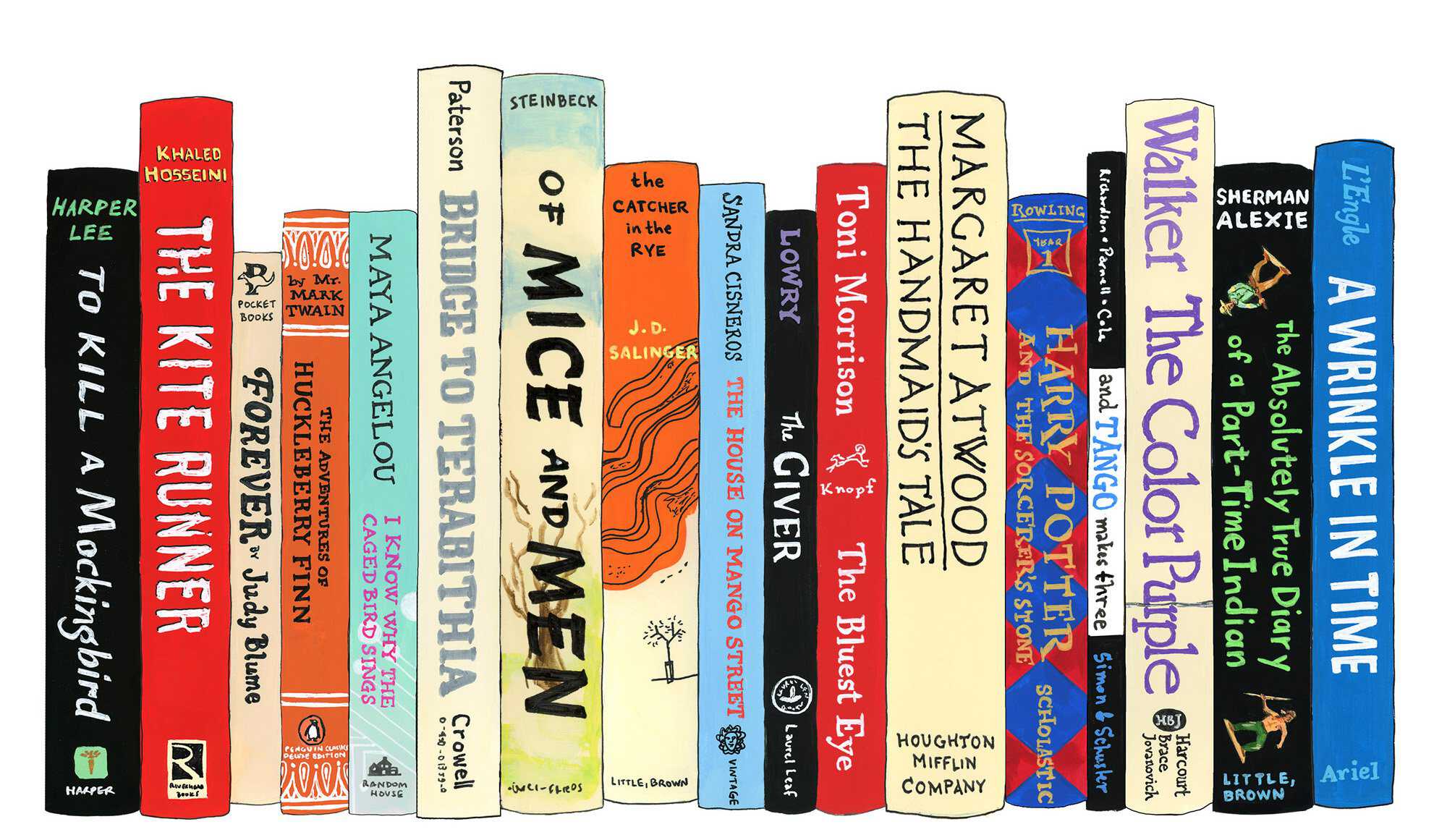
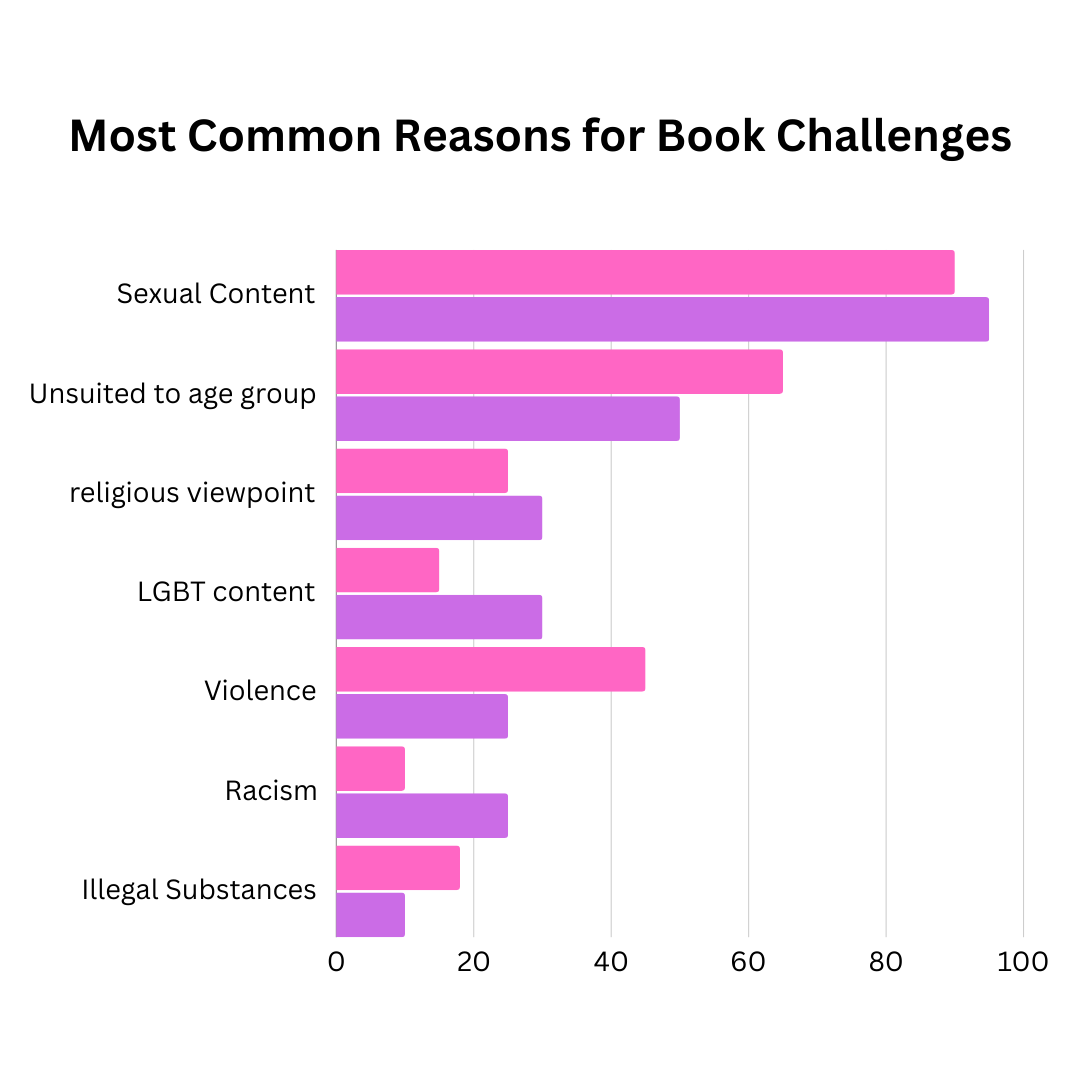
In the last 5 years, book banning has increased exponentially, with the number of books banned in schools rising over 40% since 2023. The majority of books banned in the US feature violence, sexually explicit content, themes of racism or homophobia, or themes of mental health struggle, according to the American Library Association. While many are against banning books in school libraries, others believe that banning books can protect kids from reading things too early.
Michelle Teague, a Catawba County School Board member, has petitioned for 24 books to be banned in every school library in the county. Students in Hickory and beyond would be affected by bans if they were to go into effect, but Teagues believes that this effect would be a good one.
“I’m a grandmother, so I see the books my grandkids are reading in school and I think there should be more thought put into what they should be reading,” Teague said.
All 24 books on her list were cited to have “content unsuitable for children”, according to Teagues. She does not think it should be up to the families of the kids to decide what their child can and cannot read, and is the job of the school board to decide what should be in the libraries of the schools they serve.
“When I first petitioned these books in 2022, there were some folks who didn’t think I should try and ban books,” Teagues said. “They wanted me to leave it to the parents, but I think it’s our job as the school board to keep our kids safe. I want to make sure that the books they’re reading are good for them.”
Sexually explicit content was also cited as a large reason for Teague’s book petitions.

“These kids are reading stuff that’s just obscene. I’m just concerned about what these kids are being exposed to and what they’re up against,” Teague said.
Other parents in Catawba County also rallied behind Teague’s cause to ban books in the school libraries. David Goforth, a dad of two elementary school-aged children wants the schools to pay more attention to the content being displayed in the library.
“As a Christian man and dad, there are certain things I don’t want my kids to see, and I don’t want them to accidentally pick up a book in the school library and find it,” Goforth said. “If I can help control what my kids can read, I’ll feel more comfortable sending them to school."
It’s just a book, if you have a problem with it, tell your own kid not to read it.”
Madelyn Biesler

The idea of controlling what kids can read has been a hot-button topic in the debate about banning books. The line between protection and censorship is so blurred that many aren’t sure what crosses it. Some parents think controlling what goes into the school libraries can help protect their kids from seeing things they shouldn’t, while others feel that their kids have the autonomy to grab whatever books appeal to them, and if they find it inappropriate they can tell their kids privately.
Teague finds the debate unnecessary and thinks that protecting the kids at all costs should be what matters.
“I don’t care what other parents believe, if a book is inappropriate it should be taken out of the library,” Teague said. “You can’t trust kids to make decisions about what they should be reading when they don’t understand what it is in the first place.”
One of the major arguments in Catawba County lies in the high schools. Teague’s plan involves removing these books from all schools grades K-12, but high school students are beginning to push back.
Madelyn Biesler, a senior at Saint Stephens High School is worried that banning all of these books could be an infringement on her rights, especially after she turns 18.
“In a few months, I’ll be a full legal adult. Most of the senior class will be, so how can they ban something and then tell an adult they can’t read it in school,” Biesler said. “It’s not like I’m going to give it to a kid or anything, either. It’s just a book, if you have a problem with it, tell your own kid not to read it.”
As a way to combat banned books, many high schools have adopted clubs and organizations that allow students to read banned books. Bielser is a part of one of these clubs.
“It’s not like banning books is going to stop people from reading them,” Beisler said. “I’m in a banned book club where we read books specifically because they’re banned. It’s not like banning a book makes it go away. If anything, it makes it more popular.”
Banning books will likely always be a debate, but as it becomes a political pawn, used to gain favor in an election, understanding the effect banning books can have on kids’ exposure to new cultures, ideas, and concepts helps inform the reason behind it. As the debate pushes on, book banning will continue to rise.
“I don’t want to keep walking into my library to find a book not there. If I want to read it, I’ll find a way to do it.” Beisler said.
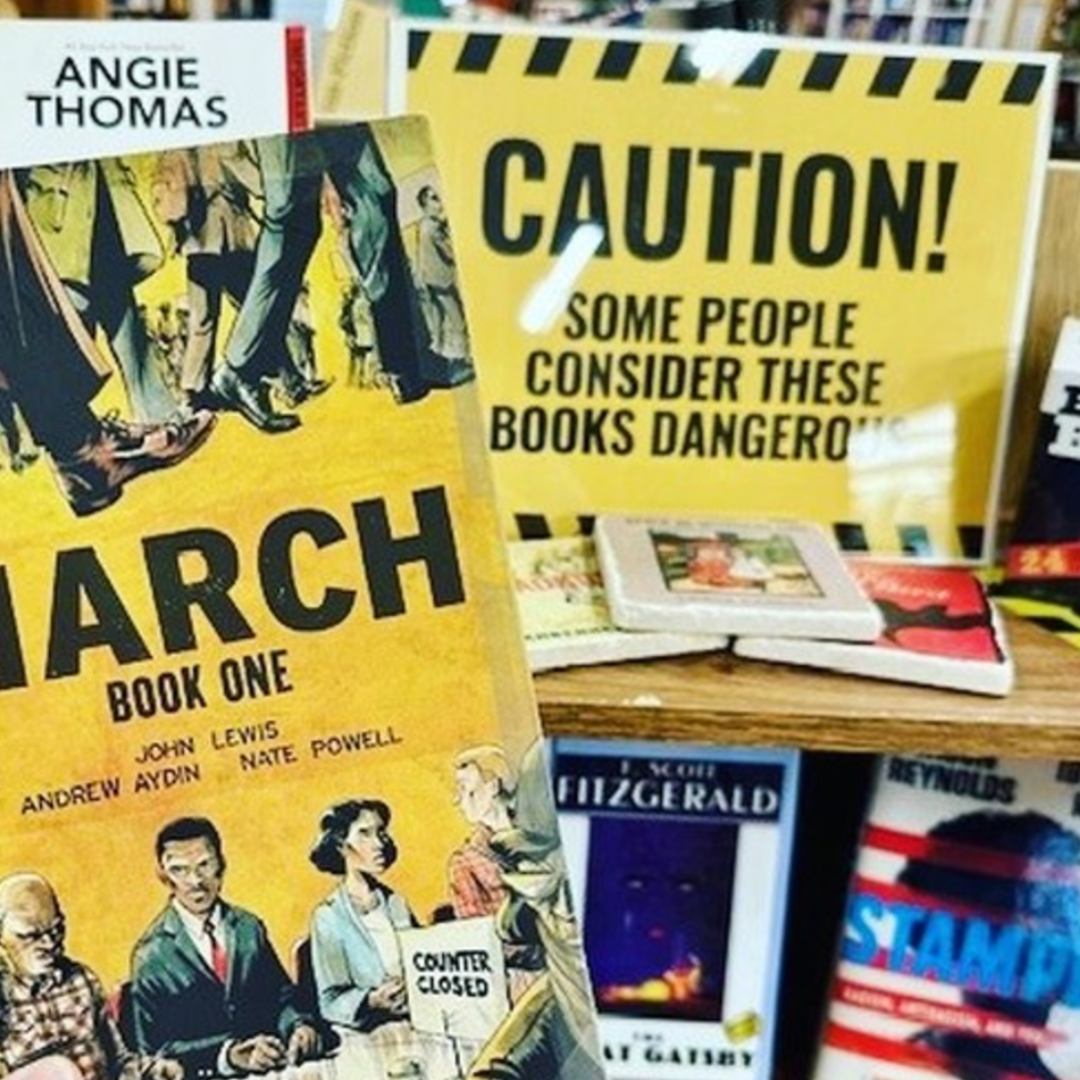
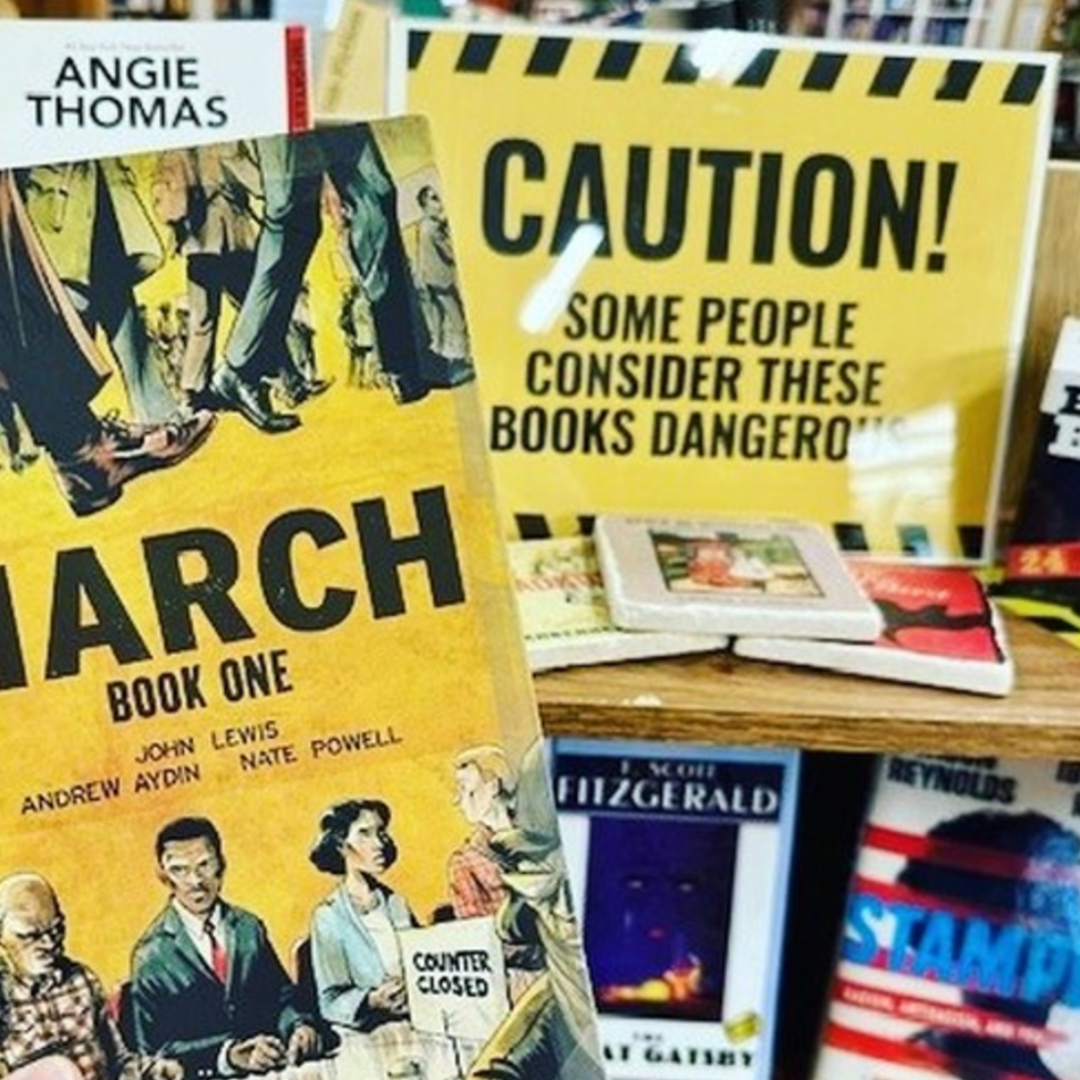
photo curtesy of Persnickety Books
photo curtesy of Persnickety Books
 Built with Shorthand